
Understanding Carpet Cleaning Prices is essential for homeowners and business owners who want clean, hygienic, and long-lasting carpets without paying unnecessary costs. Carpet cleaning is not a one-size-fits-all service, and pricing varies widely depending on multiple technical and practical factors.
Many people assume that carpet cleaning prices are fixed or similar across companies, but in reality, the cost can change significantly based on carpet condition, size, cleaning method, material, and location. Without this knowledge, customers may either overpay or choose a service that delivers poor results.

In the UAE, environmental conditions such as dust, sand, humidity, and frequent indoor use make professional carpet cleaning a necessity rather than a luxury. This comprehensive guide explains Carpet Cleaning Prices in detail, helping you understand what you are paying for and how to choose the best value.
This article is divided into six in-depth parts. Each part focuses on a critical aspect of pricing, cost comparison, and smart decision-making, allowing you to fully understand carpet cleaning costs from every angle.
Factors That Affect Carpet Cleaning Prices
There is no universal or fixed rate for Carpet Cleaning Prices. Prices vary because carpet cleaning is a technical service that depends on several interconnected factors. Understanding these factors allows customers to evaluate quotes correctly and avoid misleading comparisons.

Carpet Material and Fiber Type
One of the most influential factors in Carpet Cleaning Prices is the material used in carpet manufacturing. Different fibers respond differently to moisture, heat, and cleaning agents.
Synthetic carpets such as nylon, polypropylene, and polyester are generally easier to clean. These materials are durable, resistant to moisture damage, and compatible with most cleaning methods. As a result, carpet cleaning prices for synthetic carpets are usually more affordable.
Natural carpets, including wool, silk, and handmade rugs, require specialized care. These materials absorb moisture quickly and can be damaged by aggressive cleaning. Cleaning such carpets requires low-moisture methods, controlled temperatures, and experienced technicians, which increases Carpet Cleaning Prices.
Carpet Condition and Level of Soiling
The condition of the carpet plays a major role in determining Carpet Cleaning Prices. Lightly used carpets that are cleaned regularly require less time, fewer chemicals, and minimal preparation.
On the other hand, carpets with heavy dirt buildup, deep stains, or long periods without cleaning require additional steps such as pre-treatment, agitation, and multiple extraction passes. Each additional step increases labor time and cost.
Age of the Carpet
Older carpets often require more delicate handling. Fibers may be weakened, backing materials may be fragile, and colors may fade easily. Cleaning older carpets safely requires slower processes and careful monitoring, which directly affects Carpet Cleaning Prices.
In some cases, technicians must perform patch tests before cleaning, adding time and complexity to the service.
Carpet Size and Total Area
The total area of carpeted space is one of the most straightforward factors influencing Carpet Cleaning Prices. Larger areas require more time, water, cleaning solution, and machine usage.
Cleaning a small apartment carpet differs significantly from cleaning a large villa or majlis area. Even when the price per square meter is lower for large areas, the total cost increases due to scale.
Number of Carpet Pieces
Pricing can also vary based on whether the service involves one large carpet or multiple smaller rugs. Multiple pieces require repositioning, individual treatment, and separate drying consideration, which increases handling time.
Cleaning Method Used
Different cleaning methods produce different results and costs. Steam cleaning, dry cleaning, shampooing, and encapsulation each require specific equipment and skill levels.
Steam cleaning is generally more expensive because it provides deep sanitation, stain removal, and odor control. Dry cleaning may be cheaper for light maintenance but is less effective for deep contamination.
The selected method significantly impacts Carpet Cleaning Prices and should be chosen based on carpet type and condition rather than price alone.
Time and Labor Requirements
Some carpet cleaning jobs can be completed quickly, while others require extended labor. Carpets with stubborn stains, high pile density, or moisture issues take longer to clean properly.
Labor time is a major cost component in Carpet Cleaning Prices, especially when multiple technicians are required for large or complex jobs.
Location and Accessibility
The location of the property also influences pricing. High-rise apartments, restricted parking, or difficult access may increase service time and cost.
In contrast, easily accessible ground-floor properties may require less setup time, slightly reducing Carpet Cleaning Prices.
Frequency of Cleaning
Regular maintenance cleaning is usually more affordable than one-time deep cleaning. Customers who clean carpets periodically benefit from lower overall Carpet Cleaning Prices because the carpet never reaches extreme dirt levels.

Why Understanding These Factors Matters
When customers understand what affects Carpet Cleaning Prices, they can compare offers fairly, avoid unrealistic expectations, and choose services that provide long-term value rather than short-term savings.
Residential vs Commercial Carpet Cleaning Prices
One of the most common questions customers ask when researching Carpet Cleaning Prices is why there is a noticeable difference between residential and commercial carpet cleaning costs. Although both services aim to achieve clean and hygienic carpets, the nature of use, scale, and technical requirements are significantly different.
Understanding these differences helps homeowners and business owners evaluate quotations correctly and avoid unrealistic price comparisons between services that are not truly comparable.
What Defines Residential Carpet Cleaning?
Residential carpet cleaning refers to cleaning carpets in private living spaces such as apartments, studios, townhouses, and villas. These environments are designed for personal use and usually experience moderate daily foot traffic.
In most homes, carpets are used in living rooms, bedrooms, majlis areas, and sometimes hallways. While spills and dust accumulation are common, the level of contamination is generally predictable and manageable.
Residential Carpet Cleaning Prices Explained
Carpet Cleaning Prices for residential properties are typically calculated based on:
- Total carpeted area
- Number of rooms or rugs
- Type of carpet material
- Presence of stains or odors
Apartments and studio units usually have lower carpet cleaning prices because the area is limited and access is straightforward. Villas, on the other hand, often have higher total costs due to larger spaces, multiple carpet types, and majlis areas with dense carpets.
Carpet Cleaning Prices in Villas and Majlis Areas
Majlis carpets in residential villas require special attention. These carpets are often thick, fixed, and exposed to frequent gatherings. As a result, they accumulate dust, body oils, food particles, and odors more quickly.
Cleaning majlis carpets properly requires deep steam extraction, longer drying time, and experienced handling. This naturally increases Carpet Cleaning Prices compared to standard bedroom carpets.
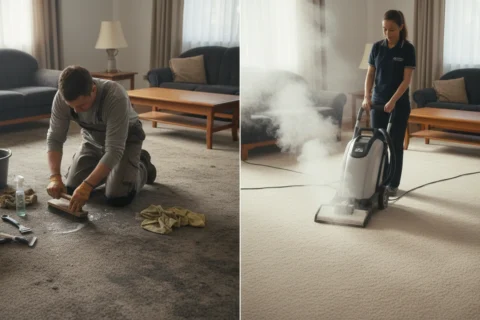
What Defines Commercial Carpet Cleaning?
Commercial carpet cleaning involves cleaning carpets in business environments such as offices, hotels, retail stores, clinics, and corporate buildings. These spaces experience constant foot traffic and higher contamination levels.
Commercial carpets are designed for durability, but their heavy usage causes dirt to embed deeply into fibers at a much faster rate than residential carpets.
Why Commercial Carpet Cleaning Prices Are Higher
Carpet Cleaning Prices for commercial properties are generally higher due to several factors:
- Large surface areas requiring extended labor time
- High foot traffic causing deep soiling
- Need for frequent or scheduled cleaning
- Strict hygiene standards in workplaces
Commercial cleaning often requires industrial-grade machines, multiple technicians, and after-hours scheduling to avoid disrupting business operations.

Frequency and Its Impact on Carpet Cleaning Prices
One major difference between residential and commercial carpet cleaning is frequency. Homes may require professional carpet cleaning every few months, while commercial spaces may need weekly, monthly, or quarterly cleaning.
Although commercial Carpet Cleaning Prices per visit may appear higher, long-term contracts often reduce the price per session due to regular maintenance.
Time Constraints in Commercial Carpet Cleaning
Commercial cleaning is often performed outside business hours. Night shifts, early mornings, or weekends require flexible staffing, which can affect pricing.
Residential carpet cleaning usually allows more flexible timing, which helps keep prices more affordable.
Equipment and Technique Differences
Residential carpet cleaning typically uses compact steam cleaning or extraction machines suitable for indoor home environments.
Commercial carpet cleaning relies on powerful industrial equipment capable of handling large open areas quickly. These machines are more expensive to operate and maintain, which contributes to higher Carpet Cleaning Prices.
Health and Safety Requirements
Many commercial environments must meet strict hygiene standards, especially offices, clinics, and hospitality venues. Carpet cleaning in such spaces must ensure quick drying and minimal disruption.
Meeting these requirements increases operational complexity and directly influences pricing.
Residential vs Commercial Pricing Comparison
When comparing Carpet Cleaning Prices, it is important to avoid comparing residential and commercial quotes directly. Each service addresses different challenges and operational demands.
A lower residential price does not mean a commercial quote is overpriced; it reflects differences in scale, frequency, equipment, and labor.
Which Option Offers Better Value?
Value is not defined by price alone. Residential customers benefit from personalized service and detailed attention to individual carpets. Commercial clients benefit from structured maintenance programs that preserve carpet condition over time.
Understanding these distinctions allows customers to choose the right service model based on their needs rather than focusing solely on the lowest Carpet Cleaning Prices.
Why This Difference Matters When Choosing a Service
Knowing the difference between residential and commercial carpet cleaning pricing prevents unrealistic expectations and ensures transparent communication with service providers.
Ultimately, the goal is not just clean carpets, but cost-effective carpet care that extends carpet life and maintains a healthy environment.
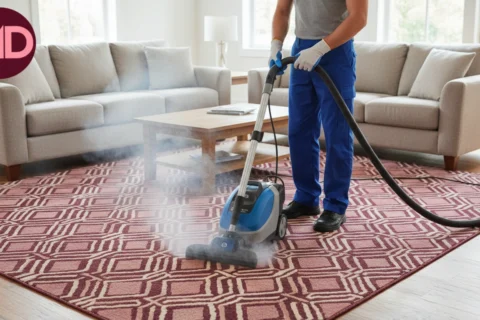
Residential vs Commercial Carpet Cleaning Costs
When comparing carpet cleaning services, many customers notice clear differences between residential and commercial pricing. Although both services aim to deliver clean and hygienic carpets, the usage patterns, scale of work, and technical requirements vary significantly.
Understanding these differences helps homeowners and business owners evaluate quotations correctly and avoid comparing services that are not truly equivalent.
What Is Considered Residential Carpet Cleaning?
Residential carpet cleaning applies to private living spaces such as apartments, studios, townhouses, and villas. These environments are designed for personal use and typically experience moderate and predictable foot traffic.
Carpets in homes are commonly found in living rooms, bedrooms, majlis areas, and corridors. While spills and dust buildup occur, the overall level of contamination is usually manageable with periodic professional care.
How Residential Cleaning Costs Are Calculated
In residential properties, pricing is usually influenced by practical factors such as total carpet area, number of rooms, carpet material, and the presence of visible stains or odors.
Smaller apartments and studio units often fall into lower cost ranges due to limited space and easy access. Villas, however, tend to have higher overall costs because of larger areas, multiple carpet types, and fixed majlis carpets.
Majlis and Villa Carpets: A Special Case
Majlis carpets require a higher level of attention. These carpets are typically thick, dense, and frequently used during gatherings. Over time, they absorb dust, body oils, and food particles more deeply than standard household carpets.
Proper cleaning of majlis areas usually involves deep steam extraction and longer drying time, which increases the overall service cost compared to standard residential rooms.
What Defines Commercial Carpet Cleaning?
Commercial carpet cleaning refers to services provided in offices, hotels, retail spaces, clinics, and corporate buildings. These environments experience continuous foot traffic and faster dirt accumulation.
Even though commercial carpets are manufactured for durability, heavy usage causes contaminants to embed deeply into the fibers much faster than in residential settings.
Why Commercial Cleaning Costs Are Higher
Commercial carpet cleaning typically requires more resources due to:
- Large open areas that take longer to clean
- High foot traffic and deep soiling
- Frequent or scheduled maintenance programs
- Strict hygiene and safety standards
These factors increase labor time, equipment usage, and operational planning, which naturally raises the overall cost of service.
Cleaning Frequency and Long-Term Value
One major distinction between residential and commercial carpet care is frequency. Homes may need professional cleaning every few months, while commercial spaces often require monthly or even weekly maintenance.
Although individual commercial visits may cost more, long-term service agreements often reduce the per-visit rate and help maintain carpets in better condition over time.
Time Constraints in Commercial Environments
Commercial cleaning is often performed outside regular business hours to avoid disruption. Evening, overnight, or weekend scheduling requires flexible staffing and planning.
Residential cleaning usually allows more flexible appointment windows, which helps keep costs more controlled.
Equipment and Operational Differences
Home carpet cleaning generally uses compact machines designed for indoor residential spaces. These systems are efficient for detailed work in smaller areas.
Commercial environments require industrial-grade machines capable of covering large surfaces quickly. Operating and maintaining this equipment contributes to higher service costs.
Health, Safety, and Compliance
Many commercial properties must meet specific hygiene standards, particularly in healthcare, hospitality, and corporate environments. Carpets must dry quickly and remain safe for immediate use.
Meeting these requirements adds complexity to the service and affects pricing structures.
Comparing Residential and Commercial Quotes Correctly
Directly comparing residential and commercial quotes can be misleading. Each service addresses different challenges, scales, and expectations.
Understanding these differences ensures realistic expectations and helps customers choose the right service model based on value rather than cost alone.
Choosing the Right Solution for Your Space
Residential customers benefit from detailed, room-by-room attention, while commercial clients gain value from structured maintenance programs designed for durability and consistency.
Recognizing these distinctions allows informed decision-making and long-term carpet care planning.
Dry Carpet Cleaning vs Steam Carpet Cleaning: Cost Differences Explained
When choosing a professional carpet cleaning service, one of the most common questions customers ask is whether dry carpet cleaning or steam carpet cleaning is more affordable. While both methods aim to restore carpet cleanliness, they differ significantly in technique, results, and overall service cost.
Understanding these differences helps customers select the most suitable option for their carpet type and budget, without sacrificing long-term quality or hygiene.
What Is Dry Carpet Cleaning?
Dry carpet cleaning is a low-moisture method that uses specialized cleaning compounds or powders designed to absorb dirt from carpet fibers. These compounds are worked into the carpet using mechanical agitation and then vacuumed out.
Because this method uses little to no water, it is often chosen for environments where fast drying is essential or where carpets are sensitive to moisture.
Cost Structure of Dry Carpet Cleaning
Dry cleaning services are generally positioned as a lower to mid-range option in terms of pricing. The reduced cost is mainly due to:
- Shorter cleaning and drying time
- Lower water and energy usage
- Simpler equipment requirements
This makes dry cleaning a practical choice for light maintenance cleaning or carpets that are cleaned regularly.
Limitations of Dry Carpet Cleaning
Although dry cleaning is cost-effective in some situations, it has limitations. The method primarily targets surface-level dirt and may not fully remove deep stains, bacteria, or odors trapped in the carpet backing.
For heavily soiled carpets, relying solely on dry cleaning may lead to repeated cleaning sessions, which can increase long-term expenses.
What Is Steam Carpet Cleaning?
Steam carpet cleaning, also known as hot water extraction, is a deep-cleaning method that uses heated water combined with professional cleaning solutions. The mixture is injected into the carpet fibers and immediately extracted along with dirt, allergens, and residues.
This method penetrates deeper into the carpet structure, making it one of the most effective options for restoring heavily used or neglected carpets.
Why Steam Cleaning Costs More
Steam carpet cleaning typically falls into a higher pricing category due to several operational factors:
- Advanced machinery with high extraction power
- Longer setup and cleaning time
- Use of heated water and professional-grade solutions
- Additional drying and ventilation considerations
These elements contribute to a higher upfront service cost but often deliver more comprehensive and longer-lasting results.
Effectiveness vs Cost: A Practical Comparison
When comparing dry and steam carpet cleaning, it is important to evaluate effectiveness alongside cost. Dry cleaning may appear more affordable initially, but its limited depth can make it less suitable for carpets with stains, odors, or heavy foot traffic.
Steam cleaning, while more expensive per session, often reduces the need for frequent cleaning due to its deep sanitizing effect.
Carpet Type and Method Selection
The type of carpet plays a major role in determining which method offers better value. Synthetic carpets usually respond well to steam cleaning, while delicate or moisture-sensitive carpets may benefit from dry cleaning.
Choosing the wrong method based solely on price can lead to damage, color fading, or poor results, increasing overall maintenance costs.
Drying Time and Its Impact on Service Cost
Dry carpet cleaning allows immediate use of the carpet, which is ideal for offices, retail spaces, or homes with limited downtime. This convenience can reduce indirect costs related to business disruption or inconvenience.
Steam cleaning requires a drying period, but modern extraction equipment significantly reduces drying time compared to older systems.
Health and Hygiene Considerations
Steam cleaning provides superior hygiene benefits by removing bacteria, allergens, and dust mites. This makes it especially valuable for homes with children, pets, or allergy sufferers.
Dry cleaning focuses more on appearance and surface cleanliness rather than deep sanitation.
Long-Term Maintenance Costs
From a long-term perspective, steam cleaning often proves more economical despite higher initial pricing. Deeper cleaning extends carpet lifespan and delays the need for replacement or intensive restoration.
Dry cleaning works best as part of a regular maintenance plan rather than a standalone deep-cleaning solution.
Choosing the Right Method for Your Budget
Budget considerations should always be balanced with carpet condition and usage. For lightly used carpets, dry cleaning may be sufficient and cost-efficient. For heavily used or stained carpets, steam cleaning provides better overall value.
Professional assessment helps determine the most cost-effective method without compromising carpet quality.
Why Price Alone Should Not Decide the Method
Focusing only on the lowest price can lead to repeated cleaning, unresolved odors, or carpet damage. The best choice is the method that meets your carpet’s needs while delivering sustainable results.
Understanding the differences between dry and steam carpet cleaning empowers customers to make informed decisions based on value, performance, and long-term savings.
How to Choose the Best Carpet Cleaning Company at the Right Cost
Choosing a professional carpet cleaning company is not only about finding a service provider, but about selecting a long-term solution that protects your carpets, your health, and your budget. Many customers focus on price alone, which often leads to disappointing results or hidden costs.
A well-informed decision considers experience, methods, transparency, and overall value rather than relying solely on advertised numbers or promotions.
Why Price Alone Is Not a Reliable Indicator
One of the most common mistakes customers make is assuming that the lowest advertised rate automatically represents the best deal. In reality, extremely low pricing may indicate limited service scope, outdated equipment, or inexperienced technicians.
When comparing offers, some customers focus only on Carpet Cleaning Prices without understanding what is included in that price. This often leads to additional charges later for stain treatment, deodorizing, or extended drying solutions.
Understanding What Is Included in the Service
A reputable carpet cleaning company clearly explains what its service includes. This transparency helps customers avoid misunderstandings and unexpected add-ons.
Key elements to ask about include:
- Type of cleaning method used
- Pre-treatment for stains and high-traffic areas
- Odor removal and sanitization options
- Estimated drying time
Companies that provide detailed explanations upfront are more likely to deliver consistent and reliable results.
Experience and Training of Technicians
The quality of carpet cleaning depends heavily on the technician performing the work. Experienced professionals understand how different carpet fibers react to moisture, heat, and cleaning solutions.
Well-trained technicians can assess carpet condition accurately and adjust the cleaning approach accordingly, reducing the risk of damage or poor outcomes.
Equipment Quality and Technology
Modern carpet cleaning companies invest in advanced equipment that delivers stronger extraction, faster drying, and deeper sanitation. High-performance machines require regular maintenance and skilled operation.
Although companies using modern technology may not always offer the lowest initial pricing, they often provide better long-term value by reducing the need for repeat cleaning.
Balancing Cost and Long-Term Value
Smart customers evaluate service value over time rather than focusing on a single visit. A slightly higher upfront cost can result in longer-lasting cleanliness, fewer stains returning, and extended carpet lifespan.
When customers choose a provider based purely on Carpet Cleaning Prices , they may overlook factors that influence overall cost over months or years.
Checking Reviews and Reputation
Customer reviews offer insight into service consistency, professionalism, and reliability. Patterns in reviews are more important than isolated comments.
Look for feedback related to punctuality, communication, stain removal effectiveness, and post-cleaning satisfaction rather than generic praise.
Clear Communication and Honest Assessment
Trustworthy companies provide honest assessments of what can and cannot be achieved. They explain limitations, expected outcomes, and alternative options when necessary.
Avoid providers that promise unrealistic results or guaranteed stain removal without inspecting the carpet.
Comparing Quotes the Right Way
When comparing multiple quotes, ensure that each quote refers to the same service scope. Differences in cleaning depth, equipment, and labor time can significantly affect pricing.
A proper comparison evaluates what you receive for the price, not just the number itself.
Flexibility and Customization
Good carpet cleaning companies adapt their services to different property types, carpet conditions, and customer schedules. Custom solutions often deliver better results than rigid, one-size-fits-all packages.
Why Extremely Cheap Offers Can Be Risky
Offers that seem too good to be true often are. Extremely low rates may involve rushed work, diluted cleaning agents, or incomplete extraction, leading to rapid re-soiling or odor issues.
In many cases, customers end up paying more by rebooking cleaning services sooner than expected.
Choosing Value Over Marketing Claims
Strong marketing does not always reflect service quality. Instead of focusing on promotions or slogans, evaluate the company’s approach, transparency, and professionalism.
The best choice is the provider that offers balanced value, clear communication, and proven results rather than simply advertising the lowest Carpet Cleaning Prices
Making a Confident Decision
By understanding how pricing works and what truly affects service quality, customers can choose a carpet cleaning company with confidence. This approach ensures clean carpets, predictable costs, and long-term satisfaction.
A thoughtful decision today can prevent unnecessary expenses and carpet issues in the future.
Cost of Tough Stain Removal in Professional Carpet Cleaning
Tough stains are one of the most important factors that influence the overall cost of professional carpet cleaning. Not all stains are equal, and the difficulty of removal depends on the type of stain, how long it has been present, and how deeply it has penetrated the carpet fibers.
Many customers are surprised to learn that stain removal is often treated as a separate process rather than a standard part of basic cleaning. This is because stubborn stains require specialized solutions, additional labor, and careful handling to avoid fiber damage.
Types of Stains That Increase Cleaning Costs
Certain stains are known to be particularly challenging and time-consuming to remove. These stains typically require pre-treatment and multiple cleaning stages.
- Oil and grease stains from food or machinery
- Coffee, tea, and colored beverage stains
- Ink, paint, and dye-based stains
- Pet-related stains and organic residue
- Moisture-related stains caused by leaks or humidity
Each of these stain types interacts differently with carpet fibers, which is why a single cleaning approach rarely works for all situations.
Why Stain Age Matters
Fresh stains are generally easier and faster to remove. When a stain is addressed immediately, it remains closer to the surface of the carpet fibers.
Older stains, however, bond chemically with the fibers over time. Heat, foot traffic, and repeated exposure to moisture make these stains harder to break down, increasing the time and effort required for removal.
Pre-Treatment and Specialized Solutions
Professional carpet cleaning companies use targeted pre-treatment solutions based on the nature of the stain. These solutions are designed to loosen stain particles without damaging the carpet structure.
The need for specialized chemicals and additional treatment steps is one of the main reasons stain removal affects Carpet Cleaning Prices.
Risk Management During Stain Removal
Aggressive stain removal carries risks, especially for delicate or colored carpets. Improper techniques can cause color bleeding, fiber distortion, or permanent marks.
Experienced technicians carefully balance effectiveness and safety, often performing spot tests before proceeding with full treatment.
Impact of Carpet Size on Cleaning Cost
Carpet size plays a significant role in determining the total service cost. Larger carpets naturally require more time, cleaning solution, and machine usage.
Cleaning a small area rug is fundamentally different from cleaning a full majlis or multiple rooms in a villa. Even if the rate per square meter decreases for larger areas, the overall cost increases due to scale.
Multiple Small Rugs vs One Large Carpet
Handling multiple small rugs can sometimes be more labor-intensive than cleaning one large carpet. Each piece must be positioned, treated individually, and dried properly.
This additional handling time contributes to higher service costs compared to cleaning a single continuous carpeted area.
How Carpet Material Affects Cost
The material used in carpet manufacturing has a direct impact on cleaning complexity and cost. Synthetic carpets are generally more forgiving and compatible with a wide range of cleaning methods.
Natural fiber carpets such as wool, silk, or handmade rugs require lower moisture levels, gentle agitation, and precise temperature control. These requirements increase labor time and operational care.
Thickness and Pile Density
Carpets with high pile density or thick construction trap more dirt and moisture. Extracting contaminants from these carpets requires stronger suction and slower cleaning passes.
Dense carpets also take longer to dry, which adds to service time and overall cost.
Backing Material and Structural Sensitivity
Some carpets have sensitive backing materials that can shrink or degrade if exposed to excessive moisture. Cleaning such carpets safely requires controlled methods and additional monitoring.
These precautions influence the pricing structure and explain why Carpet Cleaning Prices vary significantly between carpet types.
Why Not All Stain Removal Is Guaranteed
Professional companies often avoid guaranteeing complete stain removal. This is not due to lack of skill, but because some stains permanently alter the carpet fibers.
Setting realistic expectations protects both the customer and the service provider and ensures transparency.
Long-Term Cost Benefits of Proper Stain Treatment
Although advanced stain removal may increase the immediate service cost, it often prevents the need for early carpet replacement. Proper treatment preserves carpet appearance and extends its usable lifespan.
From a long-term perspective, investing in professional stain removal can reduce overall carpet maintenance expenses.
Balancing Cost, Results, and Carpet Longevity
Customers should evaluate stain removal services not just by immediate expense, but by the value delivered over time. Effective treatment reduces recurring issues and improves carpet hygiene.
Understanding how stain difficulty, carpet size, and material affect service cost allows customers to make informed decisions and choose the most suitable cleaning solution.
Cost of Tough Stain Removal in Professional Carpet Cleaning
Tough stains are one of the most important factors that influence the overall cost of professional carpet cleaning. Not all stains are equal, and the difficulty of removal depends on the type of stain, how long it has been present, and how deeply it has penetrated the carpet fibers.
Many customers are surprised to learn that stain removal is often treated as a separate process rather than a standard part of basic cleaning. This is because stubborn stains require specialized solutions, additional labor, and careful handling to avoid fiber damage.
Types of Stains That Increase Cleaning Costs
Certain stains are known to be particularly challenging and time-consuming to remove. These stains typically require pre-treatment and multiple cleaning stages.
- Oil and grease stains from food or machinery
- Coffee, tea, and colored beverage stains
- Ink, paint, and dye-based stains
- Pet-related stains and organic residue
- Moisture-related stains caused by leaks or humidity
Each of these stain types interacts differently with carpet fibers, which is why a single cleaning approach rarely works for all situations.
Why Stain Age Matters
Fresh stains are generally easier and faster to remove. When a stain is addressed immediately, it remains closer to the surface of the carpet fibers.
Older stains, however, bond chemically with the fibers over time. Heat, foot traffic, and repeated exposure to moisture make these stains harder to break down, increasing the time and effort required for removal.
Pre-Treatment and Specialized Solutions
Professional carpet cleaning companies use targeted pre-treatment solutions based on the nature of the stain. These solutions are designed to loosen stain particles without damaging the carpet structure.
The need for specialized chemicals and additional treatment steps is one of the main reasons stain removal affects Carpet Cleaning Prices.
Risk Management During Stain Removal
Aggressive stain removal carries risks, especially for delicate or colored carpets. Improper techniques can cause color bleeding, fiber distortion, or permanent marks.
Experienced technicians carefully balance effectiveness and safety, often performing spot tests before proceeding with full treatment.
Impact of Carpet Size on Cleaning Cost
Carpet size plays a significant role in determining the total service cost. Larger carpets naturally require more time, cleaning solution, and machine usage.
Cleaning a small area rug is fundamentally different from cleaning a full majlis or multiple rooms in a villa. Even if the rate per square meter decreases for larger areas, the overall cost increases due to scale.
Multiple Small Rugs vs One Large Carpet
Handling multiple small rugs can sometimes be more labor-intensive than cleaning one large carpet. Each piece must be positioned, treated individually, and dried properly.
This additional handling time contributes to higher service costs compared to cleaning a single continuous carpeted area.
How Carpet Material Affects Cost
The material used in carpet manufacturing has a direct impact on cleaning complexity and cost. Synthetic carpets are generally more forgiving and compatible with a wide range of cleaning methods.
Natural fiber carpets such as wool, silk, or handmade rugs require lower moisture levels, gentle agitation, and precise temperature control. These requirements increase labor time and operational care.
Thickness and Pile Density
Carpets with high pile density or thick construction trap more dirt and moisture. Extracting contaminants from these carpets requires stronger suction and slower cleaning passes.
Dense carpets also take longer to dry, which adds to service time and overall cost.
Backing Material and Structural Sensitivity
Some carpets have sensitive backing materials that can shrink or degrade if exposed to excessive moisture. Cleaning such carpets safely requires controlled methods and additional monitoring.
These precautions influence the pricing structure and explain why Carpet Cleaning Prices vary significantly between carpet types.
Why Not All Stain Removal Is Guaranteed
Professional companies often avoid guaranteeing complete stain removal. This is not due to lack of skill, but because some stains permanently alter the carpet fibers.
Setting realistic expectations protects both the customer and the service provider and ensures transparency.
Professional Carpet Cleaning Services
For reliable Carpet Cleaning that uses proven Carpet Cleaning Methods, explore professional services available here:
- Hourly Cleaning
- Post-Construction Cleaning
- Curtain Cleaning
- Home Cleaning
- Apartment Cleaning
- Sofa Cleaning
Long-Term Cost Benefits of Proper Stain Treatment
Although advanced stain removal may increase the immediate service cost, it often prevents the need for early carpet replacement. Proper treatment preserves carpet appearance and extends its usable lifespan.
From a long-term perspective, investing in professional stain removal can reduce overall carpet maintenance expenses.
Balancing Cost, Results, and Carpet Longevity
Customers should evaluate stain removal services not just by immediate expense, but by the value delivered over time. Effective treatment reduces recurring issues and improves carpet hygiene.
Understanding how stain difficulty, carpet size, and material affect service cost allows customers to make informed decisions and choose the most suitable cleaning solution.