
Carpet Cleaning Methods: A Complete Guide to Choosing the Right Approach
Carpet Cleaning is one of the most important aspects of maintaining a healthy, clean, and visually appealing indoor environment. Carpets naturally act as filters, trapping dust, dirt, allergens, bacteria, and odors deep within their fibers. Without proper Carpet Cleaning, these contaminants accumulate over time and negatively affect both air quality and carpet lifespan.
Choosing the right Carpet Cleaning solution is not a one-size-fits-all decision. Different carpets require different Carpet Cleaning Methods depending on their material, size, level of soiling, and usage patterns. Applying the wrong technique can result in fiber damage, discoloration, lingering odors, or rapid re-soiling.
This guide explores professional Carpet Cleaning Methods in depth, starting with the key factors that influence how carpets should be cleaned. Understanding these factors allows homeowners and businesses to make informed decisions and achieve long-lasting Carpet Cleaning results.
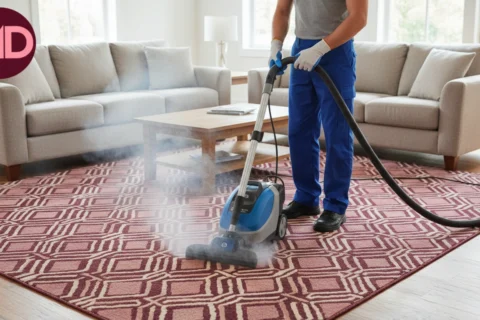
Factors That Influence Carpet Cleaning Methods
Selecting the correct Carpet Cleaning Method begins with understanding the conditions surrounding the carpet itself. Professional Carpet Cleaning is never random; it is based on careful evaluation of several critical factors that directly impact the effectiveness and safety of the cleaning process.
1. Carpet Fiber Type and Material
One of the most influential factors in Carpet Cleaning is the type of fiber used in the carpet’s construction. Natural fibers such as wool, silk, or cotton require entirely different Carpet Cleaning Methods compared to synthetic fibers like nylon, polyester, or polypropylene.
Wool carpets, for example, are highly absorbent and sensitive to heat and moisture. Aggressive steam Carpet Cleaning can cause shrinking, distortion, or fiber weakening if not performed correctly. In contrast, synthetic carpets are generally more resistant and can tolerate deeper Carpet Cleaning Methods.
Identifying the fiber type is essential before choosing any Carpet Cleaning technique, as improper treatment can permanently damage the carpet.
2. Level of Soiling and Dirt Penetration
Not all dirt is visible on the surface. In many cases, carpets appear clean while harboring deep-seated dust, sand, and allergens within the fibers. The depth of contamination significantly influences which Carpet Cleaning Methods should be used.
Light surface dirt may only require low-moisture or dry Carpet Cleaning, while heavily soiled carpets demand deep extraction methods such as steam Carpet Cleaning. Choosing a method that is too mild will fail to remove embedded dirt, while an overly aggressive approach may cause unnecessary wear.
3. Type of Stains Present
Stains are a major deciding factor in Carpet Cleaning. Oil-based stains, food spills, beverages, ink, and pet accidents all respond differently to cleaning agents and techniques.
Effective Carpet Cleaning Methods must be tailored to the stain type. Treating all stains the same way often leads to spreading, color setting, or incomplete removal. Professional Carpet Cleaning focuses on targeted stain treatment before applying the main cleaning process.
4. Carpet Usage and Foot Traffic
How a carpet is used plays a crucial role in determining appropriate Carpet Cleaning Methods. Carpets in living rooms, hallways, offices, or commercial spaces experience significantly higher foot traffic than those in bedrooms or low-use areas.
High-traffic carpets accumulate abrasive particles that grind into the fibers over time. These areas require more frequent and deeper Carpet Cleaning to prevent premature wear and matting.
5. Residential vs Commercial Environment
The environment where the carpet is installed also affects Carpet Cleaning. Residential Carpet Cleaning prioritizes comfort, hygiene, and long-term fiber preservation, while commercial Carpet Cleaning focuses on durability, appearance, and minimal downtime.
Commercial settings often require fast-drying Carpet Cleaning Methods, such as low-moisture or dry cleaning, to keep operations running smoothly. Residential spaces can usually accommodate longer drying times in exchange for deeper Carpet Cleaning results.
6. Carpet Size and Installation Type
Carpet size is another critical factor. Small rugs and removable carpets allow for more intensive Carpet Cleaning Methods, including full immersion or off-site deep cleaning.
Wall-to-wall or fitted carpets require controlled moisture and powerful extraction to avoid water penetration into subfloors. Selecting the wrong Carpet Cleaning approach for large carpets can result in mold, odors, or structural issues.
7. Indoor Air Quality and Health Concerns
In households with children, elderly individuals, or allergy sufferers, Carpet Cleaning Methods must prioritize health and safety. Harsh chemicals or residue left behind after cleaning can trigger respiratory issues.
Professional Carpet Cleaning focuses on low-residue solutions and thorough extraction to ensure carpets remain clean, fresh, and safe for daily use.
8. Previous Cleaning History
Carpets that are cleaned regularly respond better to gentle Carpet Cleaning Methods, while neglected carpets often require restorative cleaning. Understanding the carpet’s maintenance history helps determine whether light cleaning or intensive treatment is necessary.
Regular Carpet Cleaning prevents permanent fiber damage and reduces long-term maintenance costs.
9. Equipment and Technology Used
Even the best Carpet Cleaning Methods depend heavily on the quality of equipment used. Professional machines provide consistent water pressure, controlled heat, and powerful extraction that household machines cannot match.
Advanced Carpet Cleaning technology ensures deeper soil removal, faster drying times, and superior overall results.
When all these factors are evaluated together, Carpet Cleaning becomes a precise and strategic process rather than a simple surface treatment. This foundation is essential for selecting the most effective Carpet Cleaning Methods in every situation.

Residential vs Commercial Carpet Cleaning Methods: Key Differences and Best Practices
When discussing Carpet Cleaning, one of the most important distinctions to understand is the difference between residential and commercial environments. Although carpets may appear similar at first glance, the way they are used, maintained, and cleaned varies significantly depending on whether they are installed in homes or commercial spaces.
Choosing the right Carpet Cleaning Methods requires a clear understanding of these differences. Applying residential Carpet Cleaning techniques in a commercial setting, or vice versa, often leads to poor results, faster re-soiling, and unnecessary wear on carpet fibers.
The Nature of Residential Carpet Cleaning
Residential Carpet Cleaning focuses primarily on comfort, hygiene, and long-term preservation of carpet quality. Homes are environments where people walk barefoot, children play on the floor, and pets often share the same space. As a result, Carpet Cleaning Methods used in residential settings must be safe, thorough, and gentle on fibers.
Common challenges in residential Carpet Cleaning include food spills, beverage stains, dust accumulation, pet hair, odors, and allergens. These contaminants penetrate deep into carpet fibers over time, making deep Carpet Cleaning essential rather than occasional surface treatment.
In homes, Carpet Cleaning Methods often prioritize:
- Deep removal of dirt and allergens
- Odor elimination rather than masking
- Use of child- and pet-safe cleaning solutions
- Preserving carpet softness and appearance
Because residential spaces typically allow for longer drying times, steam Carpet Cleaning and hot water extraction are widely used for their ability to clean thoroughly and improve indoor air quality.
The Nature of Commercial Carpet Cleaning
Commercial Carpet Cleaning presents an entirely different set of challenges. Offices, hotels, retail stores, and public buildings experience constant foot traffic throughout the day. Dirt, sand, and debris are continuously brought in from outside, placing heavy stress on carpet fibers.
In commercial settings, Carpet Cleaning is not only about hygiene but also about maintaining a professional appearance and minimizing disruption to daily operations. This requires Carpet Cleaning Methods that are fast, efficient, and capable of handling frequent use.
Commercial Carpet Cleaning typically prioritizes:
- Quick drying times
- Surface appearance and uniform color
- High resistance to repeated cleaning
- Cost efficiency over large areas
For these reasons, low-moisture and dry Carpet Cleaning Methods are often preferred in commercial environments, as they allow carpets to be used almost immediately after cleaning.
Differences in Carpet Construction
Another key distinction between residential and commercial Carpet Cleaning lies in the construction of the carpets themselves. Residential carpets are often designed for comfort and aesthetics, featuring softer fibers and thicker piles.
Commercial carpets, on the other hand, are engineered for durability. They typically have shorter pile heights, denser fiber structures, and higher resistance to crushing. These structural differences directly influence which Carpet Cleaning Methods are most effective.
Using aggressive Carpet Cleaning techniques on delicate residential carpets can damage fibers, while gentle residential methods may fail to properly clean heavily soiled commercial carpets.
Cleaning Frequency and Maintenance Cycles
Residential Carpet Cleaning is usually performed on a scheduled basis, such as every few months, depending on household size and usage patterns. Between deep cleaning sessions, regular vacuuming and spot cleaning help maintain cleanliness.
Commercial Carpet Cleaning requires much more frequent maintenance. High-traffic areas may need weekly or even daily attention, while deeper Carpet Cleaning Methods are applied on a monthly or quarterly schedule.
Consistent maintenance prevents dirt from becoming permanently embedded and significantly extends the lifespan of commercial carpets.
Equipment and Technology Differences
The equipment used in residential Carpet Cleaning is often smaller and more precise, designed to navigate furniture and tight spaces. These machines focus on controlled moisture levels and detailed cleaning.
Commercial Carpet Cleaning relies on industrial-grade machines capable of covering large areas quickly. These systems emphasize speed, uniform results, and powerful extraction to reduce downtime.
Advanced Carpet Cleaning Methods in commercial settings often combine multiple techniques, such as pre-treatment, agitation, and low-moisture extraction, to achieve optimal results efficiently.
Drying Time Considerations
Drying time is a critical factor that separates residential and commercial Carpet Cleaning. In homes, longer drying times are usually acceptable if they result in deeper cleaning.
In contrast, commercial spaces cannot afford extended downtime. Carpet Cleaning Methods that leave carpets wet for hours may disrupt business operations and pose safety risks.
As a result, commercial Carpet Cleaning often favors techniques that allow carpets to dry within one to two hours or less.
Health and Safety Priorities
Health considerations differ between residential and commercial Carpet Cleaning. In homes, the focus is on removing allergens, bacteria, and residues that may affect family members.
In commercial environments, safety concerns include slip resistance, compliance with regulations, and maintaining a clean image for employees and visitors.
Professional Carpet Cleaning Methods are selected accordingly to meet these distinct health and safety requirements.
Which Carpet Cleaning Methods Are Best?
There is no single best approach for all situations. Effective Carpet Cleaning depends on matching the right method to the environment.
Residential spaces benefit most from deep Carpet Cleaning Methods that enhance comfort and hygiene, while commercial spaces require efficient techniques that maintain appearance with minimal interruption.
Understanding these differences ensures that Carpet Cleaning delivers lasting results, protects carpet fibers, and supports the intended use of each space.
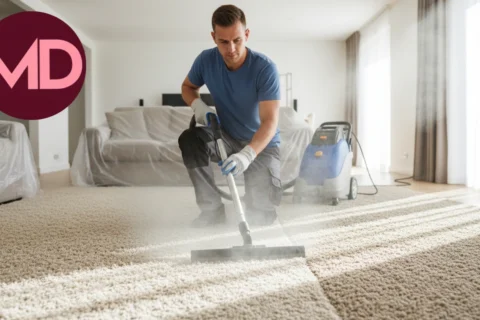
Dry Carpet Cleaning vs Steam Carpet Cleaning: Understanding the Key Differences
One of the most common questions in Carpet Cleaning is whether dry cleaning or steam cleaning is the better option. Both approaches are widely used and considered professional Carpet Cleaning Methods, yet each serves a different purpose and delivers distinct results depending on carpet type, usage, and level of soiling.
Choosing the wrong Carpet Cleaning method can lead to incomplete dirt removal, prolonged drying times, fiber damage, or recurring odors. Understanding how dry Carpet Cleaning and steam Carpet Cleaning work is essential for making the right decision and achieving long-lasting cleanliness.
What Is Dry Carpet Cleaning?
Dry Carpet Cleaning is a low-moisture Carpet Cleaning Method that relies on minimal water or, in some cases, no water at all. Instead of saturating carpet fibers, specialized compounds or encapsulation agents are applied to break down dirt and debris.
These compounds attract and absorb soil particles, which are then removed through mechanical agitation and high-powered vacuuming. Because very little moisture is involved, carpets dry almost immediately after cleaning.
How Dry Carpet Cleaning Works
The dry Carpet Cleaning process typically begins with thorough vacuuming to remove loose debris. A dry or semi-dry cleaning agent is then evenly distributed across the carpet surface. Rotating brushes or machines gently work the compound into the fibers, allowing it to capture embedded dirt.
After sufficient dwell time, the compound and trapped dirt are extracted using industrial vacuum systems. The result is a visibly refreshed carpet with minimal downtime.
Advantages of Dry Carpet Cleaning
- Extremely fast drying times
- Minimal disruption to daily activities
- Suitable for commercial environments
- Lower risk of moisture-related issues
Limitations of Dry Carpet Cleaning
- Limited ability to remove deep-seated dirt
- Less effective for heavy stains and odors
- Primarily surface-level Carpet Cleaning
Dry Carpet Cleaning is often best used as a maintenance solution rather than a replacement for deep Carpet Cleaning Methods.
What Is Steam Carpet Cleaning?
Steam Carpet Cleaning, also known as hot water extraction, is one of the most thorough and widely recommended Carpet Cleaning Methods. This approach uses hot water combined with professional cleaning solutions to penetrate deep into carpet fibers.
The heat helps loosen dirt, oils, and contaminants, while powerful extraction systems remove the water along with dissolved debris. Steam Carpet Cleaning addresses both surface and embedded dirt.
How Steam Carpet Cleaning Works
The process begins with pre-treatment of heavily soiled areas and stains. Hot water mixed with cleaning agents is then injected into the carpet under controlled pressure. Almost immediately, the solution is extracted, carrying dirt, allergens, and bacteria away from the fibers.
Proper extraction is crucial in steam Carpet Cleaning. Professional equipment ensures that most moisture is removed, reducing drying time and preventing residue buildup.
Advantages of Steam Carpet Cleaning
- Deep removal of embedded dirt and allergens
- Effective elimination of bacteria and germs
- Superior stain and odor removal
- Improved indoor air quality
Limitations of Steam Carpet Cleaning
- Longer drying times compared to dry methods
- Not suitable for all carpet types
- Requires professional expertise to avoid over-wetting
Despite these limitations, steam Carpet Cleaning remains the preferred choice for deep, restorative cleaning in residential environments.
Comparing Effectiveness: Dry vs Steam Carpet Cleaning
When comparing Carpet Cleaning Methods, the primary difference lies in depth versus speed. Dry Carpet Cleaning excels in quick maintenance, while steam Carpet Cleaning provides comprehensive dirt removal.
Dry Carpet Cleaning improves appearance and freshness but may leave behind contaminants embedded deep within the fibers. Steam Carpet Cleaning addresses these deeper issues, delivering more hygienic results.
Impact on Carpet Fibers and Longevity
Both Carpet Cleaning Methods can be safe when performed correctly. However, improper application can damage carpet fibers regardless of the technique used.
Excessive moisture in steam Carpet Cleaning may weaken adhesives or backing materials, while aggressive brushing in dry Carpet Cleaning can cause fiber distortion. Professional assessment ensures that the chosen Carpet Cleaning Method preserves carpet integrity.
Drying Time and Practical Considerations
Drying time is often the deciding factor when choosing between Carpet Cleaning Methods. Dry Carpet Cleaning allows immediate use, making it ideal for offices, retail spaces, and hotels.
Steam Carpet Cleaning requires adequate drying time, typically ranging from two to six hours depending on ventilation and carpet thickness. This is usually acceptable in residential settings where deeper cleaning is desired.
Health and Hygiene Differences
From a health perspective, steam Carpet Cleaning offers superior sanitation. The combination of heat and extraction removes allergens, bacteria, and residues more effectively than surface-level methods.
Dry Carpet Cleaning, while convenient, does not always eliminate microbial contaminants and is best used as part of a broader Carpet Cleaning strategy.
When to Choose Dry Carpet Cleaning
Dry Carpet Cleaning is most suitable when immediate use is required or when moisture-sensitive carpets are involved. It works well for routine maintenance and interim cleaning between deep Carpet Cleaning sessions.
When to Choose Steam Carpet Cleaning
Steam Carpet Cleaning is the best choice for heavily soiled carpets, persistent odors, allergy concerns, and long periods between cleanings. It restores carpets to a deeper level of cleanliness.
Combining Both Carpet Cleaning Methods
The most effective Carpet Cleaning strategy often involves combining both dry and steam Carpet Cleaning Methods. Dry cleaning can be used for frequent maintenance, while steam cleaning is scheduled periodically for deep sanitation.
This balanced approach maximizes cleanliness, protects carpet fibers, and extends carpet lifespan while maintaining a consistently fresh appearance.
How to Choose the Best Carpet Cleaning Company and the Most Effective Stain Removal Methods
Selecting a professional Carpet Cleaning company is one of the most critical decisions homeowners and businesses make when aiming for long-lasting cleanliness. The quality of results does not depend solely on equipment or products, but primarily on the Carpet Cleaning Methods used and the expertise behind them.
Many carpet issues such as recurring stains, fiber damage, or unpleasant odors originate from incorrect Carpet Cleaning techniques rather than poor carpet quality. Understanding how to evaluate a Carpet Cleaning company ensures that the methods applied are safe, effective, and tailored to your specific needs.
Why Expertise Matters in Carpet Cleaning
Professional Carpet Cleaning is not a simple mechanical process. Each carpet presents unique challenges based on fiber type, age, usage, and stain history. A qualified Carpet Cleaning company evaluates these factors before selecting the appropriate Carpet Cleaning Methods.
Companies that rely on a single method for all carpets often compromise results. Experienced professionals understand when to apply deep steam Carpet Cleaning, low-moisture techniques, or targeted stain treatments.
Key Criteria for Choosing a Carpet Cleaning Company
When comparing Carpet Cleaning providers, several essential criteria should guide your decision rather than price alone.
1. Method Transparency
A reliable Carpet Cleaning company clearly explains the Carpet Cleaning Methods they intend to use and why those methods are suitable for your carpet. Transparency indicates confidence and professional knowledge.
2. Pre-Cleaning Inspection
Quality Carpet Cleaning begins with a thorough inspection. This includes identifying fiber material, stain types, wear patterns, and potential risks. Skipping this step often leads to ineffective or damaging cleaning.
3. Equipment and Technology
Modern Carpet Cleaning relies on advanced machines capable of controlled water pressure, heat regulation, and powerful extraction. Outdated equipment limits the effectiveness of even the best Carpet Cleaning Methods.
4. Cleaning Solutions Used
Professional Carpet Cleaning companies use solutions designed to clean thoroughly without leaving sticky residues. Residue buildup attracts dirt quickly, undoing the benefits of cleaning.
5. Experience with Different Carpet Types
Not all carpets respond the same way to cleaning. The best Carpet Cleaning providers demonstrate experience with wool, synthetic, luxury, and commercial carpets, adapting their Carpet Cleaning Methods accordingly.
Understanding Tough Carpet Stains
Stain removal is one of the most challenging aspects of Carpet Cleaning. Each stain interacts differently with carpet fibers and requires a specific approach. Using incorrect Carpet Cleaning Methods can set stains permanently or spread them further.
Professional Carpet Cleaning focuses on identifying the stain composition before applying any treatment. This targeted strategy significantly improves removal success.
Effective Carpet Cleaning Methods for Removing Tough Stains
1. Oil and Grease Stains
Oil-based stains bond strongly with carpet fibers and repel water. Effective Carpet Cleaning Methods for these stains involve solvent-based pre-treatments that break down oils before extraction.
Steam Carpet Cleaning alone is rarely sufficient without proper pre-treatment, as heat can sometimes cause oils to spread deeper into the fibers.
2. Food and Beverage Stains
Coffee, tea, wine, and food spills are common in both residential and commercial settings. Carpet Cleaning Methods for these stains focus on neutralizing pigments and preventing color setting.
Prompt treatment improves success rates, but professional Carpet Cleaning can often remove older stains through controlled chemical action and extraction.
3. Ink and Dye Stains
Ink stains require extreme precision in Carpet Cleaning. Specialized solvents dissolve ink without damaging carpet fibers. Aggressive scrubbing or heat-based methods often worsen the stain.
4. Pet Stains and Odors
Pet-related stains are complex because they involve both visible discoloration and deep odor contamination. Effective Carpet Cleaning Methods must address both aspects simultaneously.
Enzyme-based treatments are commonly used to break down organic residues, followed by deep extraction to remove odor-causing bacteria.
5. Mud and Ground-In Dirt
Soil particles act like abrasives within carpet fibers. Carpet Cleaning Methods for heavy soil buildup include thorough dry vacuuming followed by deep steam extraction to lift embedded grit.
The Importance of Controlled Moisture
Moisture control is a defining factor in professional Carpet Cleaning. Excess water can lead to mold growth, odors, and structural damage. Insufficient moisture, on the other hand, limits cleaning effectiveness.
The best Carpet Cleaning Methods balance moisture application with powerful extraction, ensuring carpets are cleaned deeply while drying efficiently.
Why DIY Stain Removal Often Fails
Many homeowners attempt stain removal using household products or generic cleaners. While these may provide temporary improvement, they often leave residues that attract dirt and cause stains to reappear.
Improper DIY Carpet Cleaning Methods can permanently damage fibers, distort texture, or spread stains beyond their original area.
Professional Assessment Makes the Difference
A skilled Carpet Cleaning professional understands when a stain can be removed, when it can be lightened, and when permanent damage has occurred. Honest assessment sets realistic expectations and prevents unnecessary carpet replacement.
Choosing a Carpet Cleaning company that prioritizes evaluation, transparency, and method selection ensures the highest chance of success with even the most challenging stains.
Ultimately, effective Carpet Cleaning is not about using the strongest chemicals or the most aggressive techniques, but about applying the right Carpet Cleaning Methods at the right time for the right carpet.

Carpet Size and Material: How They Influence Carpet Cleaning Methods
One of the most overlooked aspects of Carpet Cleaning is the role that carpet size and material play in determining the most suitable Carpet Cleaning Methods. Treating all carpets the same way often leads to disappointing results, unnecessary wear, or long-term damage that could have been avoided with proper method selection.
Professional Carpet Cleaning always begins by assessing both the physical dimensions of the carpet and the materials used in its construction. These two factors directly affect moisture control, drying time, cleaning depth, and overall effectiveness.
How Carpet Size Affects Carpet Cleaning
Carpet size determines whether cleaning can be performed off-site or must be done in place. Small rugs and removable carpets offer greater flexibility in Carpet Cleaning Methods, while large or wall-to-wall carpets require precise moisture management and powerful extraction.
Small and Area Rugs
Smaller carpets allow for more intensive Carpet Cleaning Methods, including full-surface treatment, detailed inspection, and controlled drying. Because these carpets can be moved, professionals can ensure uniform cleaning across both the surface and backing.
Deep Carpet Cleaning of small rugs is especially effective at removing accumulated dirt from the base of the fibers, which is often missed in routine maintenance.
Large and Wall-to-Wall Carpets
Large carpets installed permanently in homes or offices require specialized Carpet Cleaning Methods that balance cleaning power with moisture control. Excess water can seep into subfloors, leading to odors, mold growth, or structural issues.
For these carpets, professional Carpet Cleaning relies on controlled steam application combined with high-efficiency extraction to ensure deep cleaning without over-saturation.
The Impact of Carpet Material on Cleaning Methods
Carpet fibers vary widely in how they react to water, heat, and cleaning agents. Selecting the wrong Carpet Cleaning Methods for a specific material can result in color bleeding, texture distortion, or fiber breakdown.
Wool Carpets
Wool carpets are natural, durable, and luxurious, but they are also highly sensitive to moisture and temperature. Carpet Cleaning Methods for wool emphasize low moisture, gentle agitation, and careful drying.
Aggressive steam Carpet Cleaning without proper control can cause wool fibers to shrink or lose their natural resilience.
Synthetic Carpets
Synthetic carpets such as nylon and polyester are more resistant to water and heat, making them suitable for a wider range of Carpet Cleaning Methods. These carpets respond well to deep steam cleaning and frequent maintenance.
Their durability makes them ideal for high-traffic areas where consistent Carpet Cleaning is required.
Luxury and Delicate Carpets
Silk, viscose, and other luxury carpets require specialized Carpet Cleaning Methods due to their delicate fibers. Improper cleaning can permanently alter their appearance.
These carpets often benefit from dry or low-moisture Carpet Cleaning performed by specialists with experience in fine textiles.
Best Times to Schedule Carpet Cleaning
Timing plays a crucial role in Carpet Cleaning effectiveness. Choosing the right time ensures faster drying, better results, and minimal disruption to daily life.
Seasonal Considerations
Moderate weather conditions are ideal for Carpet Cleaning, as proper ventilation helps reduce drying time. In extremely humid conditions, moisture retention may increase, while very cold weather can slow evaporation.
Professional Carpet Cleaning companies adjust their methods based on seasonal conditions to maintain consistent results.
Before and After Major Events
Scheduling Carpet Cleaning before gatherings or special occasions enhances the overall appearance of the space. Post-event cleaning is equally important to remove deep-seated dirt and spills that may not be immediately visible.
Routine Maintenance Scheduling
Regularly scheduled Carpet Cleaning reduces the need for aggressive methods and helps maintain carpet quality over time. Consistency prevents dirt from becoming embedded and difficult to remove.
Carpet Cleaning in Large Cities vs Small Cities
Geographic location also influences Carpet Cleaning needs. Environmental factors, lifestyle patterns, and pollution levels differ between large metropolitan areas and smaller cities, affecting how carpets accumulate dirt.
Carpet Cleaning in Large Cities
In large cities, carpets are exposed to higher levels of dust, pollution, and foot traffic. Fine particles from roads and construction sites are easily tracked indoors, embedding themselves deep into carpet fibers.
As a result, Carpet Cleaning in urban environments often requires more frequent deep cleaning and a combination of Carpet Cleaning Methods to maintain hygiene and appearance.
Carpet Cleaning in Small Cities
Smaller cities generally experience lower pollution levels and reduced foot traffic. Carpets in these areas may not require intensive cleaning as frequently.
However, routine Carpet Cleaning is still essential to prevent gradual dirt buildup and preserve carpet lifespan.
Adapting Carpet Cleaning Methods to Your Location
Effective Carpet Cleaning considers environmental exposure alongside carpet type and usage. Urban settings benefit from frequent maintenance combined with periodic deep cleaning, while smaller communities may focus on scheduled deep cleaning with lighter maintenance in between.
Understanding how size, material, timing, and location influence Carpet Cleaning allows for smarter decisions and consistently better results.
Common Mistakes When Comparing Carpet Cleaning Methods
Choosing the right Carpet Cleaning solution requires more than comparing prices or selecting the fastest option. Many homeowners and businesses make critical mistakes when evaluating Carpet Cleaning Methods, leading to poor results, recurring stains, and unnecessary carpet damage.
Understanding these common mistakes helps prevent costly errors and ensures that Carpet Cleaning delivers long-term value rather than short-lived results.
Mistake 1: Choosing Carpet Cleaning Based on Price Alone
Low-cost Carpet Cleaning services often rely on superficial methods that focus on appearance rather than deep hygiene. These Carpet Cleaning Methods may temporarily improve how the carpet looks but fail to remove embedded dirt and residues.
Over time, this approach causes carpets to re-soil faster, requiring more frequent cleaning and increasing overall costs.
Mistake 2: Ignoring Carpet Type and Fiber Material
Not all carpets respond the same way to cleaning. Applying the same Carpet Cleaning Methods to wool, synthetic, and luxury carpets is a common mistake that can result in fiber damage or color distortion.
Professional Carpet Cleaning always starts with identifying the carpet material and selecting methods accordingly.
Mistake 3: Overusing Water During Carpet Cleaning
Excessive moisture is one of the most damaging factors in Carpet Cleaning. While water is essential for deep cleaning, too much of it leads to mold, odors, and weakened carpet backing.
Effective Carpet Cleaning Methods balance moisture application with powerful extraction to ensure carpets dry efficiently and safely.
Mistake 4: Relying Only on DIY Carpet Cleaning
DIY Carpet Cleaning solutions may seem convenient, but they often lack the power and precision needed for deep cleaning. Household machines and over-the-counter products frequently leave residues that attract dirt.
Professional Carpet Cleaning Methods are designed to remove both dirt and cleaning residues, preventing rapid re-soiling.
Mistake 5: Focusing Only on Immediate Results
Some Carpet Cleaning Methods produce quick visual improvements but fail to deliver lasting cleanliness. True Carpet Cleaning quality becomes evident days or weeks later, not immediately after the service.
Professional Tips to Avoid Carpet Cleaning Mistakes
Avoiding common Carpet Cleaning mistakes requires informed decision-making and professional guidance. The following tips help ensure effective results without compromising carpet quality.
- Always ask which Carpet Cleaning Methods will be used and why
- Match the cleaning method to the carpet material and usage
- Schedule regular maintenance rather than emergency cleaning
- Avoid harsh chemicals and excessive moisture
- Ensure strong extraction is part of the cleaning process
- Address stains promptly before they become permanent
- Combine maintenance cleaning with periodic deep cleaning
Following these principles allows Carpet Cleaning to extend carpet lifespan, maintain hygiene, and deliver consistent results.
Professional Carpet Cleaning Services
For reliable Carpet Cleaning that uses proven Carpet Cleaning Methods, explore professional services available here:
- Hourly Cleaning
- Post-Construction Cleaning
- Curtain Cleaning
- Home Cleaning
- Apartment Cleaning
- Sofa Cleaning
Customer Reviews on Carpet Cleaning Methods
Customer experiences provide real insight into the effectiveness of professional Carpet Cleaning and the methods used.
- Ahmed Al Kaabi – Abu Dhabi: The Carpet Cleaning Methods were explained clearly, and the results lasted much longer than previous cleanings.
- Salem Al Mazrouei – Dubai: Excellent Carpet Cleaning service. Old stains were removed without damaging the carpet texture.
- Mohammed Al Suwaidi – Sharjah: Professional approach and effective Carpet Cleaning. No odors and fast drying.
- Rashid Al Nuaimi – Ajman: The Carpet Cleaning Methods used were perfectly suited to our carpets. Very noticeable improvement.
- Khaled Al Mansoori – Abu Dhabi: One of the best Carpet Cleaning experiences. Balanced deep cleaning with excellent moisture control.
Frequently Asked Questions About Carpet Cleaning Methods
1. What is the best Carpet Cleaning method for homes?
Steam Carpet Cleaning is often the best option for residential settings due to its deep cleaning and allergen removal capabilities.
2. When should dry Carpet Cleaning be used?
Dry Carpet Cleaning is ideal when quick drying is required or in commercial environments with minimal downtime.
3. How often should Carpet Cleaning be performed?
Most carpets benefit from deep Carpet Cleaning every 4 to 6 months, depending on usage and foot traffic.
4. Do Carpet Cleaning Methods remove odors?
Yes, professional Carpet Cleaning addresses odor sources within carpet fibers rather than masking them.
5. Can Carpet Cleaning damage carpet fibers?
Damage occurs only when incorrect methods are used. Proper Carpet Cleaning preserves fiber integrity and appearance.
6. Is Carpet Cleaning safe for children and pets?
Professional Carpet Cleaning uses safe, low-residue solutions suitable for family environments.
7. How long does it take for carpets to dry?
Drying time typically ranges from 2 to 6 hours, depending on the Carpet Cleaning Methods and ventilation.
8. Does regular Carpet Cleaning extend carpet life?
Yes, consistent Carpet Cleaning prevents fiber wear and prolongs carpet lifespan.
Book Professional Carpet Cleaning Today
If you are looking for reliable Carpet Cleaning using proven Carpet Cleaning Methods that deliver lasting results, now is the perfect time to book.
📞 0522258845
Contact us today and enjoy cleaner, healthier carpets with professional care.